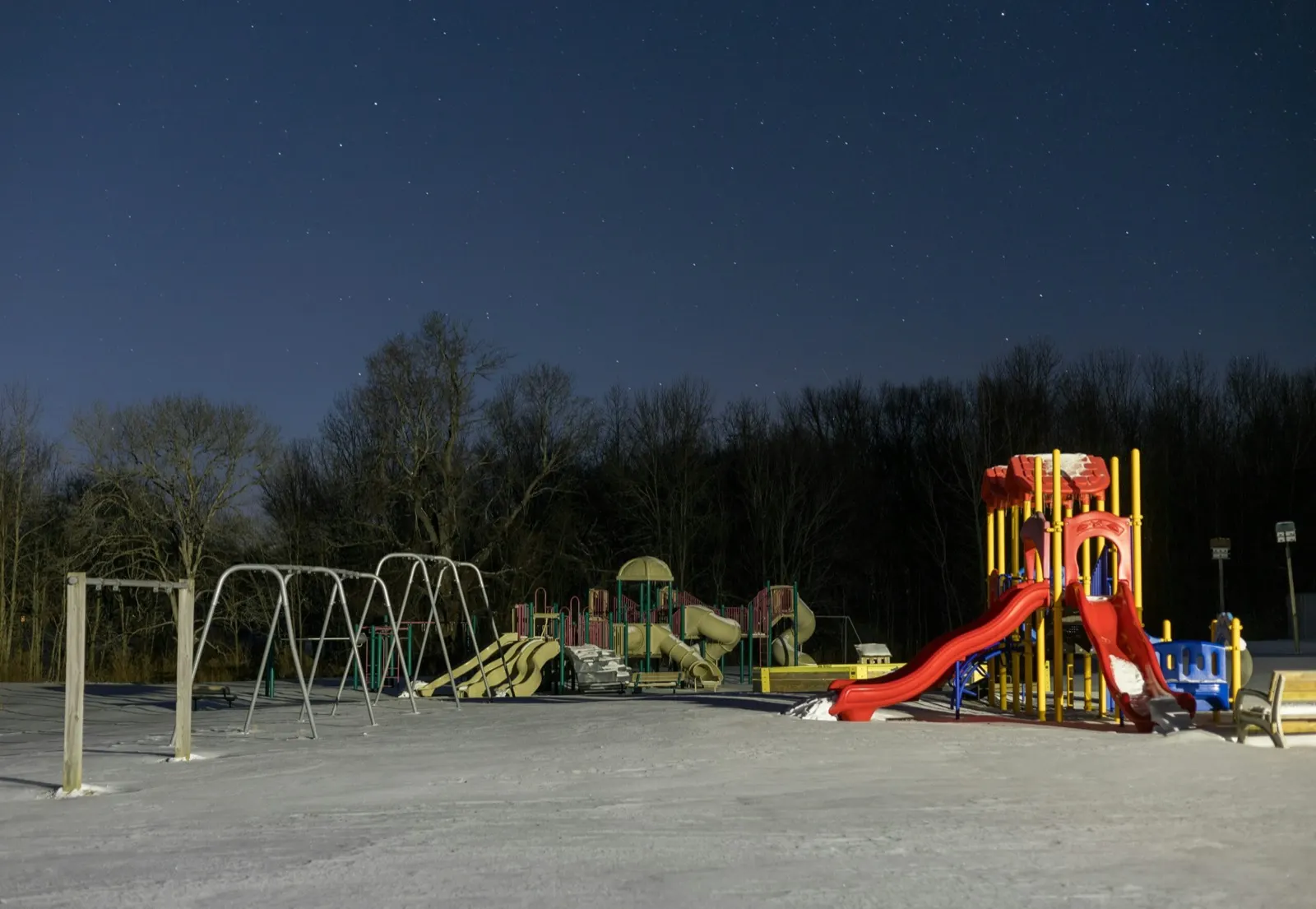
Ensuring the safety of our children from potential threats using situational awareness, including predatory groomers, has become increasingly important.
In today’s world, ensuring the safety of our children from potential threats, including predatory groomers, has become increasingly important. This article begins a 10-part series dedicated to enhancing situational awareness for families and children. Each installment will delve into specific aspects of awareness and proactive measures that can be taken to protect children in schools and public places.
Top 10 Situational Awareness Tips
The series will cover the following critical areas of situational awareness:
- Recognizing Unusual Behavior
- Understanding Grooming Techniques
- Safe Online Practices
- Importance of Open Communication
- Identifying Unsafe Environments
- Empowering Children to Say No
- Building a Support Network
- Monitoring and Supervision
- Role of Community Awareness
- Reporting and Responding to Suspicious Activities
Situational Awareness: Recognizing Unusual Behavior
One of the most crucial aspects of protecting children is recognizing unusual behavior. Predatory groomers often display behaviors that can be subtle yet significant if noticed. These include excessive attention towards a child, attempts to isolate them from their peers or family, and providing gifts or special favors. Parents and guardians must be vigilant and aware of these signs to intervene early and protect their children from potential harm.
Practical Tips
- Observe Interactions: Pay close attention to how adults interact with your child. Any adult showing unusual interest or favoring your child over others should raise a red flag.
- Ask Questions: Regularly talk with your child about their interactions with others. Ask about their feelings and any uncomfortable experiences.
- Set Boundaries: Establish clear boundaries for interactions between your child and adults, including appropriate physical contact and alone time.
Conclusion
Recognizing unusual behavior is the first step towards safeguarding our children. Stay tuned for the next article, which will explore understanding grooming techniques. By staying informed and proactive, we can create a safer environment for our children.
Resources and Support Systems
- National Center for Missing & Exploited Children (NCMEC) – missingkids.org, 1-800-THE-LOST (1-800-843-5678)
- Rape, Abuse & Incest National Network (RAINN) – rainn.org, 1-800-656-HOPE (1-800-656-4673)
- Stop It Now! – stopitnow.org, 1-888-PREVENT (1-888-773-8368)
- Darkness to Light – d2l.org, 1-866-FOR-LIGHT (1-866-367-5444)
- Childhelp National Child Abuse Hotline – 1-800-4-A-CHILD (1-800-422-4453)
- CyberTipline – cybertipline.com, 1-800-THE-LOST (1-800-843-5678)
- National Human Trafficking Hotline – 1-888-373-7888
- Safe to Compete – safecompete.org
Unapologetically for the children™