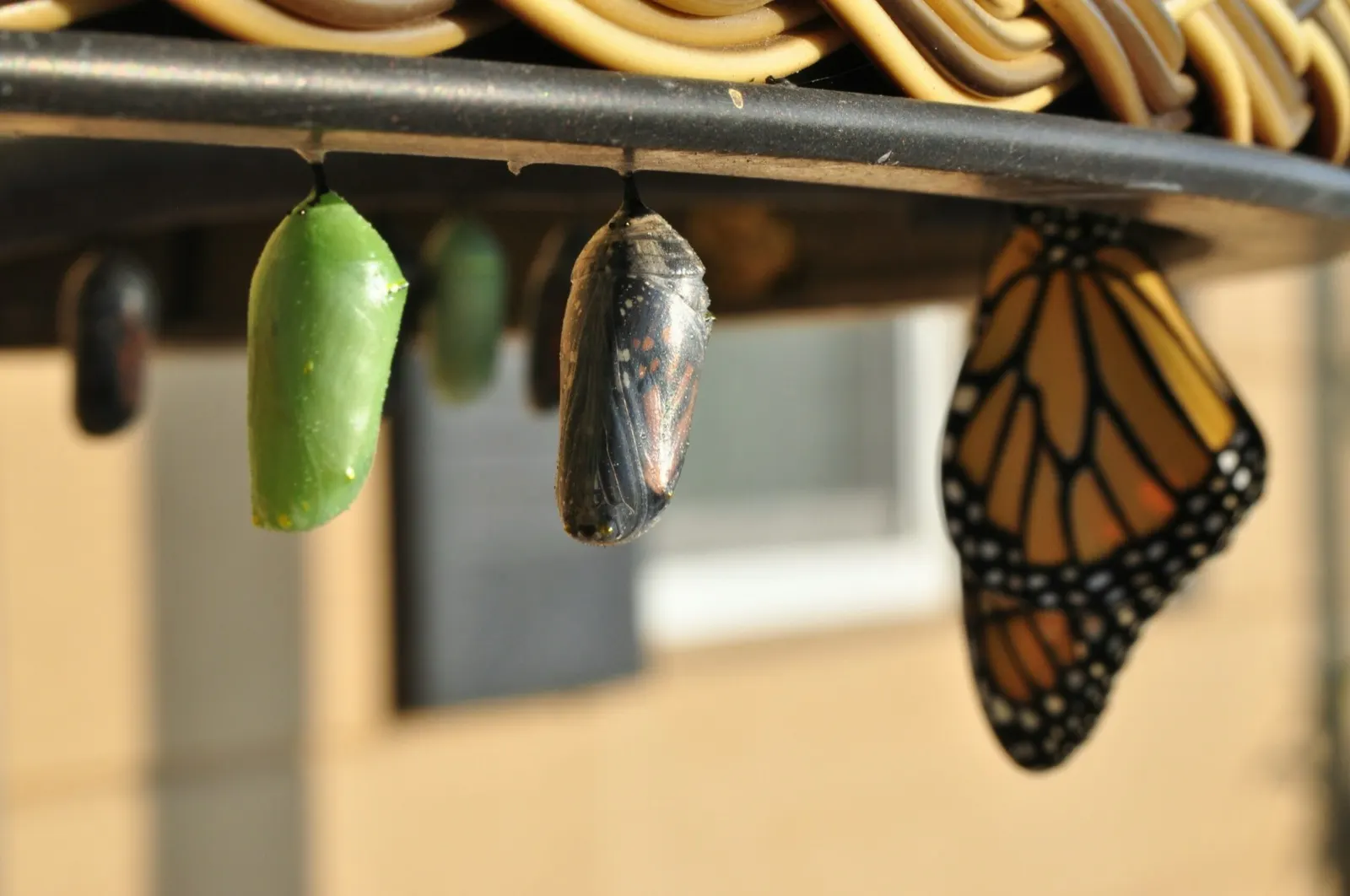
Cultivating post-traumatic growth involves finding meaning and personal development in the aftermath of trauma.
Welcome to the final article in our series on resilience and post-traumatic growth. Throughout this series, we have explored various strategies to support children’s resilience. This article will focus on cultivating post-traumatic growth, which involves finding meaning and personal development in the aftermath of trauma.
How to Cultivate Post-Traumatic Growth
Post-traumatic growth (PTG) refers to the positive psychological changes that can occur as a result of struggling with challenging life circumstances (Tedeschi & Calhoun, 1996). PTG involves five main domains: appreciation of life, relationships with others, new possibilities in life, personal strength, and spiritual change (Tedeschi & Calhoun, 1996). Research shows that many individuals, including children, can experience significant personal growth following traumatic events (Calhoun & Tedeschi, 1999).
Practical Tips for Cultivating Post-Traumatic Growth
- Encourage Reflection: Encourage children to reflect on their experiences and identify any positive changes or growth that have resulted from their struggles (Tedeschi & Calhoun, 1996).
- Promote Meaning-Making: Help children find meaning in their experiences by discussing what they have learned and how they have grown (Calhoun & Tedeschi, 1999).
- Support Goal-Setting: Assist children in setting new goals that reflect their personal growth and new perspectives (American Psychological Association, 2014).
- Foster a Growth Mindset: Encourage children to view challenges as opportunities for growth and development, reinforcing the concept of PTG (Dweck, 2006).
Summary
Cultivating post-traumatic growth is the final step in supporting resilience. By encouraging reflection, promoting meaning-making, supporting goal-setting, and fostering a growth mindset, we can help children find personal growth and development in the aftermath of trauma.
Research and Anecdotal References
- Tedeschi, R. G., & Calhoun, L. G. (1996). The posttraumatic growth inventory: Measuring the positive legacy of trauma. Journal of Traumatic Stress, 9(3), 455-471. https://doi.org/10.1002/jts.2490090305
- Calhoun, L. G., & Tedeschi, R. G. (1999). Facilitating posttraumatic growth: A clinician’s guide. Mahwah, NJ: Lawrence Erlbaum Associates.
- Dweck, C. S. (2006). Mindset: The new psychology of success. New York, NY: Random House.
- American Psychological Association. (2014). Post-traumatic growth. https://www.apa.org/topics/trauma/growth
- National Institute of Mental Health. (n.d.). Coping with traumatic events. https://www.nimh.nih.gov/health/topics/coping-with-traumatic-events
Unapologetically for the children™