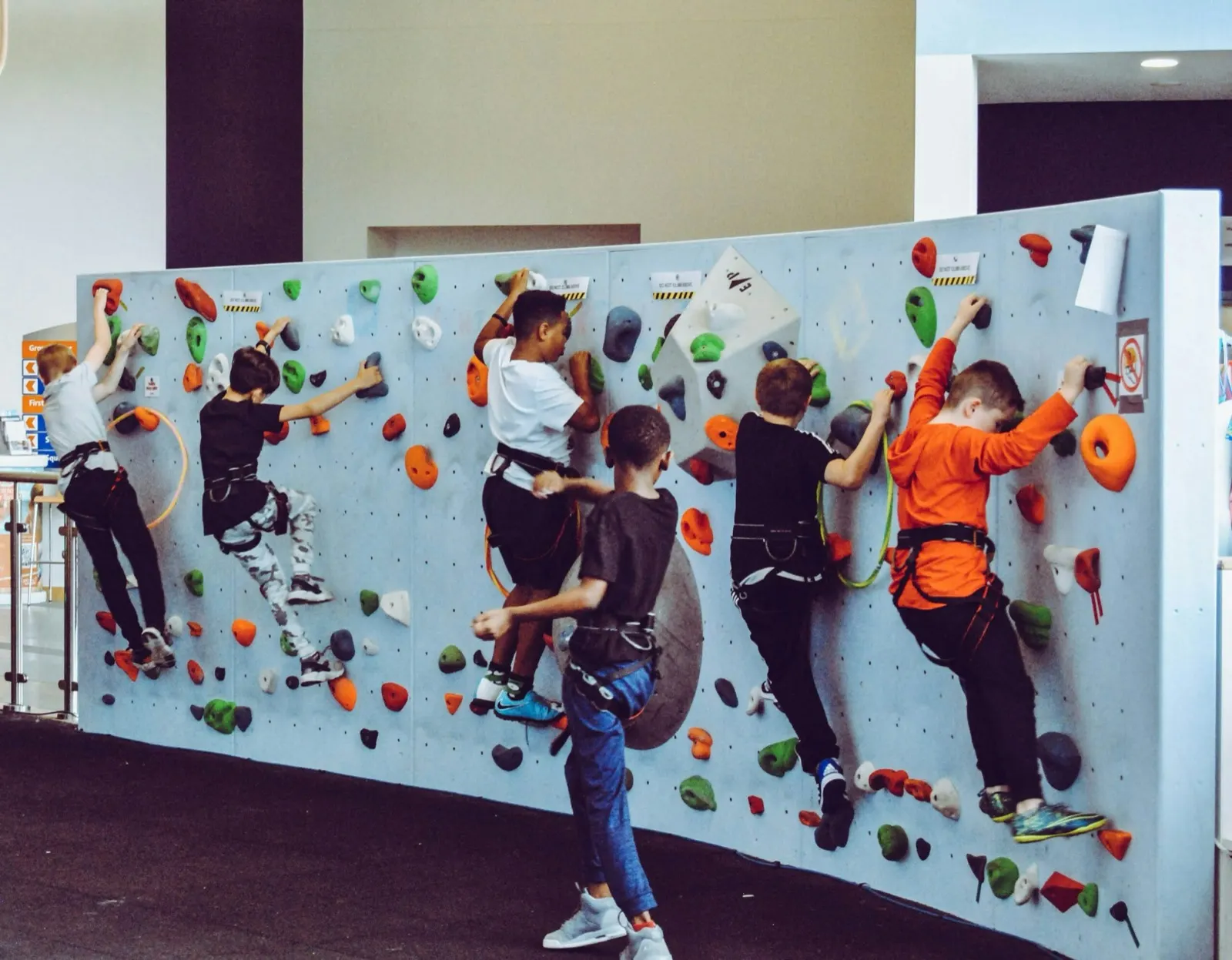
Enhancing self-esteem and self-efficacy is crucial for building resilience and promoting post-traumatic growth.
Welcome to the ninth article in our series on resilience and post-traumatic growth. In our previous articles, we explored various strategies to support children’s development and their well-being. This article will focus on enhancing self-esteem and self-efficacy, which is crucial for building resilience and promoting post-traumatic growth.
What are Self-Esteem and Self-Efficacy?
Self-esteem refers to an individual’s overall sense of self-worth, while self-efficacy is the belief in one’s ability to succeed in specific situations (Bandura, 1997). High self-esteem and self-efficacy are associated with better mental health, higher motivation, and greater resilience (Bandura, 1997). In addition, research shows that these children are more likely to overcome challenges and thrive (Harter, 1999).
Practical Tips for Self-Esteem & Self-Efficacy
- Positive Reinforcement: Provide positive reinforcement and praise for children’s efforts as well as their achievements to boost their self-esteem (Harter, 1999).
- Encourage Independence: Encourage children to take on new challenges and responsibilities to build their self-efficacy (Bandura, 1997).
- Model Confidence: Model confident behavior and positive self-talk to help children develop similar attitudes (American Psychological Association, 2014).
- Provide Opportunities for Success: Create opportunities for children to succeed in various activities in order to reinforce their sense of competence (Harter, 1999).
Summary
Enhancing self-esteem and self-efficacy is essential for building resilience and fostering post-traumatic growth. By providing positive reinforcement, encouraging independence, modeling confidence, and creating opportunities for success, we can help children develop a strong sense of self-worth and belief in their abilities.
Research and Anecdotal References
- Bandura, A. (1997). Self-efficacy: The exercise of control. New York, NY: Freeman.
- Harter, S. (1999). The construction of the self: A developmental perspective. New York, NY: Guilford Press.
- American Psychological Association. (2014). Building self-esteem in children. https://www.apa.org/topics/self-esteem/children
- National Institute of Mental Health. (n.d.). Self-efficacy and mental health. https://www.nimh.nih.gov/health/topics/self-efficacy
- Mindful Schools. (n.d.). Building confidence and self-esteem. https://www.mindfulschools.org/
Unapologetically for the children™